Pragmatic Play a Play2win automaty: tipy a bonusy denně
August 15, 2026Was tun, wenn ein Online Casino Ausland Gewinne nicht auszahlt?
August 15, 2026
Take Stock of Your Expenses
As the summer months approach, many of us look forward to spending time with friends and family, traveling, and enjoying the outdoors. However, the increased expenses that come with these activities can quickly drain our bank accounts. To avoid financial stress, it’s essential to take a closer look at our spending habits and make some smart changes. Start by gathering all your financial documents, including receipts, bank statements, and credit card statements. Take a few hours to categorize your expenses, identifying areas where you can cut back.
For example, if you find that you’re spending too much on dining out, consider meal planning and cooking at home more often. You can also try reducing your grocery bills by shopping at local farmers’ markets or using cashback apps like Ibotta. By being more mindful of your spending, you can free up money for more enjoyable activities this summer.
Set Financial Goals
Once you have a clear picture of your expenses, set specific financial goals for the summer. Do you want to save for a big trip or pay off debt? Are you looking to build up your emergency fund or increase your savings rate? Having a clear idea of what you want to achieve will help you stay focused and motivated to make changes. Try using the 50/30/20 rule as a guideline: allocate 50% of your income towards necessary expenses like rent and utilities, 30% towards discretionary spending, and 20% towards saving and debt repayment.
Implement Budget-Friendly Strategies
Implementing smart spending habits requires a combination of discipline and creativity. One strategy is to practice the “envelope system,” where you allocate a specific amount of cash for discretionary spending each week. Once the money is gone, you’ll be forced to stop spending, helping you stick to your budget. Another approach is to use the “waiting period” rule, where you wait 24 hours before making non-essential purchases. This can help you avoid impulse buying and make more thoughtful decisions.
Make the Most of Free and Low-Cost Activities
While it’s tempting to splurge on expensive summer activities, there are plenty of free and low-cost alternatives to enjoy. Consider hosting a potluck dinner with friends, going for a hike, or attending a local outdoor concert. You can also try visiting museums or galleries on free admission days or taking a free online course to learn a new skill. By being more intentional about how you spend your time and money, you can have a great summer without breaking the bank.
Learn to Prioritize Your Spending
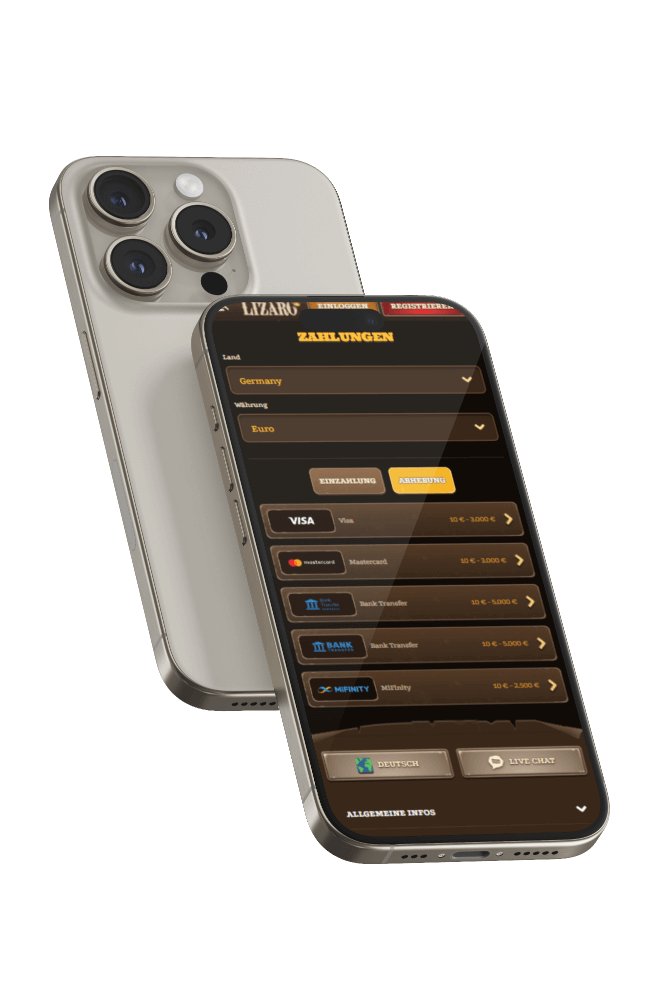
As you implement your new budget-friendly strategies, remember that it’s okay to indulge every now and then. The key is to prioritize your spending and make intentional choices. For instance, if you’re a fan of online gaming, you might enjoy trying out new games like those developed by Lizaro, which offer a range of engaging experiences without the high price tag. By focusing on what’s truly important to you, you can make the most of your budget and have a more fulfilling summer.
Review and Adjust Your Budget Regularly
Finally, remember that budgeting is a continuous process. Regularly review your spending and adjust your budget as needed to ensure you’re on track to meet your financial goals. Make sure to take advantage of any tax-advantaged savings options, such as 401(k) or IRA accounts, and consider automating your savings to make it easier to stick to your plan.
By following these smart spending habits, you can enjoy a more financially stress-free summer and set yourself up for long-term financial success.
Frequently Asked Questions
What are the first steps to take control of my spending habits?
Start by gathering all your financial documents, including receipts, bank statements, and credit card statements, to get a clear picture of your expenses.
How can I avoid overspending during the summer months?
Set a budget, prioritize needs over wants, and consider alternative activities to expensive outings, such as hosting a potluck or game night.
What are some smart financial changes I can make to save money?
Consider implementing a 50/30/20 budget rule, where 50% of your income goes towards necessities, 30% towards discretionary spending, and 20% towards saving and debt repayment.